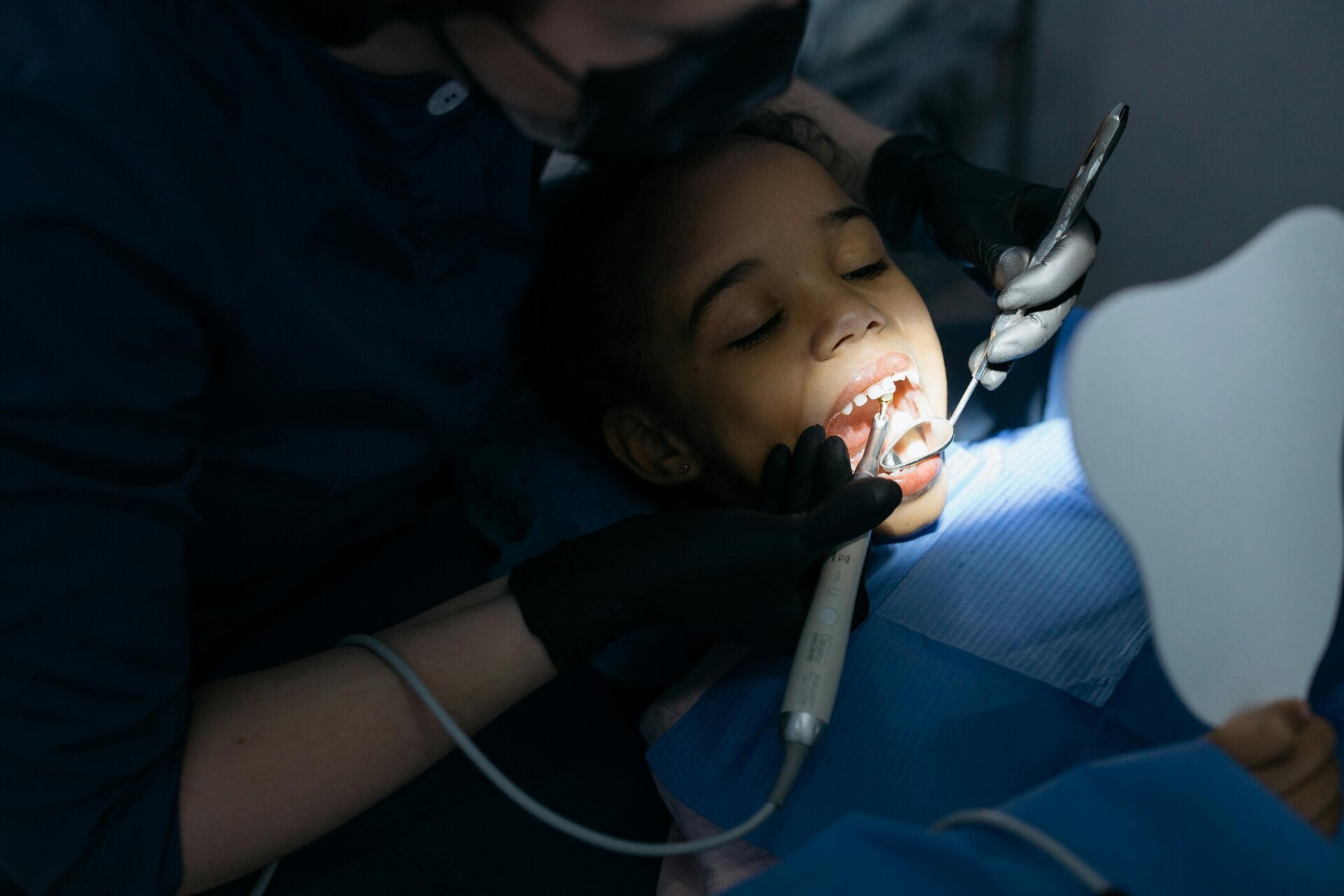
Finding an NHS dentist for your child in London can sometimes feel like a challenge, particularly when you are unsure what happens after making that first phone call. Parents may have questions about availability, registration, the first appointment and what happens if their child already has toothache or another dental problem.
The good news is that knowing what to expect can make the process much easier. Whether you are looking for a routine check-up or urgent dental care, here is what typically happens after contacting an NHS dentist in London.
What Happens When You First Call an NHS Dentist?
When you contact an NHS dental practice, explain that you are looking for NHS dental care for your child. The receptionist may ask for your child's age, whether they have visited a dentist before and whether they currently have any symptoms.
If your child is experiencing toothache, swelling, bleeding or has damaged a tooth, mention this during the call. It can help the dental team understand whether your child needs an urgent appointment or a routine check-up.
If you are looking for a new practice, you can also ask whether the dentist is currently accepting NHS patients and whether appointments are available for children.
For parents looking for a children’s NHS dentist in London, NHS Dentist provides children's NHS check-ups alongside routine and emergency NHS dental care in Central London.
Will My Child Get an Appointment Straight Away?
Not necessarily. Appointment availability depends on the practice, the type of care your child needs and the number of NHS appointments currently available.
Routine check-ups may be booked for the next suitable appointment. If your child has severe toothache, swelling or a dental injury, tell the practice that the problem is urgent.
The NHS Dentist service currently lists children's NHS check-ups and emergency NHS dental appointments among its services in London.
For urgent dental problems, it is important not to wait for a routine appointment if your child's symptoms are getting worse.
What Information Should You Have Ready?
Having a few details available can make the initial call quicker and easier.
You may be asked for:
-
Your child's name and age
-
Your contact details
-
Whether your child has previously attended a dentist
-
Details of any dental pain or discomfort
-
How long the problem has been present
-
Whether there is swelling, bleeding or an injury
-
Any medicines your child is currently taking
-
Whether your child has any relevant medical conditions
If your child is in pain, explain how it is affecting them. For example, tell the dental practice if the pain is preventing them from sleeping, eating or going to school.
What Happens at the First Appointment?
The first appointment usually begins with an examination of your child's teeth and gums.
The dentist will look for signs of tooth decay, gum problems and other oral health concerns. They may also ask about your child's brushing habits, diet and previous dental experiences.
X-rays may be recommended if the dentist believes they are clinically necessary.
The appointment is also a chance for your child to become familiar with the dental environment. If your child feels nervous, let the dentist know. A calm and patient approach can help children feel more comfortable.
What If the Dentist Finds Tooth Decay?
If the dentist discovers tooth decay or another dental problem, they will explain what has been found and discuss the appropriate treatment.
Depending on the child's needs, treatment may include preventive advice, fluoride treatment, fillings or other clinically necessary care.
The dentist may also talk to you and your child about brushing twice a day, using fluoride toothpaste and limiting sugary snacks and drinks.
This preventive advice is important. Children's teeth can develop problems quickly, so regular dental visits can help identify issues before they become painful.
Is NHS Dental Treatment Free for Children?
Yes. NHS dental treatment is free for children under 18 in England. It is also free for young people under 19 who are in qualifying full-time education.
The NHS Dentist website states that children's NHS dental check-ups are free for under-18s.
Parents should still check that the appointment and treatment are being provided under the NHS, particularly when contacting a practice that also offers private dentistry.
What If My Child Has a Dental Emergency?
Children can develop dental emergencies unexpectedly. A fall at school, a sports injury or severe toothache can mean that you need dental advice quickly.
If your child has severe dental pain, facial swelling, bleeding or a damaged tooth, tell the dental practice that you need urgent care.
An emergency appointment is generally focused on assessing the immediate problem and relieving pain or managing the urgent condition. Your child may then need a follow-up appointment for further treatment.
If you cannot access an urgent NHS dentist, NHS 111 can provide advice about appropriate urgent dental services.
If your child's swelling is affecting their breathing or swallowing, seek emergency medical help immediately.
What Happens After Emergency Treatment?
An emergency appointment does not always mean that all treatment will be completed during the first visit.
For example, the dentist may treat the immediate source of pain and then arrange another appointment to complete the required treatment.
Parents should attend any recommended follow-up appointments. Treating the underlying problem is important, even if your child's pain disappears after emergency care.
Can I Find a Children’s NHS Dentist in Central London?
Yes, there are NHS dental services across Central London, although availability can vary.
NHS Dentist currently lists five Central London clinics in Marylebone, Mayfair, King’s Cross, Notting Hill and Soho. The service states that its clinics provide children's, routine and emergency NHS dental care, with Saturday appointments available at four of its five clinics.
This can be particularly useful for parents who need an appointment around school or work commitments.
How Can You Prepare Your Child for the Dentist?
A little preparation can make a big difference.
Talk positively about the dentist without making the appointment sound frightening. Avoid describing dental treatment in unnecessarily alarming terms. Instead, explain that the dentist will look at their teeth and help keep them healthy.
If your child is nervous, tell the dental team before the appointment. They can take their time and explain what is happening in a way your child can understand.
It is also helpful to avoid making the appointment feel like a test. Children do not need to have perfect brushing habits before seeing a dentist. The purpose of the appointment is to help them learn how to look after their teeth.
What Should Parents Do After the First Appointment?
Once your child's dental examination is complete, the dentist should explain any findings and recommend the next steps.
If everything looks healthy, you may simply be advised to continue good brushing and attend future check-ups as recommended.
If treatment is needed, make sure you understand what is being recommended and whether your child needs another appointment.
Regular dental visits can help your child become comfortable with the dentist while allowing potential problems to be identified early.
Making the First Call Easier
Calling an NHS dentist for your child can feel daunting, particularly if you have been struggling to find an available appointment. However, the first call is simply the beginning of the process.
Explain clearly whether you are looking for routine care or have an urgent concern. Ask whether the practice is accepting NHS patients and whether they have appointments available for children.
For parents looking for a children’s NHS dentist in London, NHS Dentist offers children's NHS check-ups as well as routine and emergency NHS dental care across its Central London clinics.
Most importantly, don't wait until your child develops severe toothache before thinking about dental care. Regular check-ups, good brushing habits and early advice can help protect their teeth and make visits to the dentist a much more normal part of growing up.
Add comment
Comments